https://www.nytimes.com/2026/03/03/style/oldster-substack-sari-botton-aging.html (a)

Sari Botton, who edits two popular newsletters on Substack, Oldster and Memoir
Land, at her home in Kingston, N.Y.
Oldster, a Substack newsletter by Sari Botton, came to her in a dream. She even remembers the date it arrived: Aug. 31, 2021.
“I made a joke about it on Twitter and then I proceeded to realize, ‘Wait a minute, it’s a good idea,’” said Ms. Botton, a 60-year-old writer and editor. “I immediately went on Substack, launched it, and immediately people started signing up.”
Oldster is not, as the name might suggest, a newsletter focused exclusively on people who are conventionally considered old. As the online description of Oldster explains, “It’s about the experience of getting older, and what that means at different junctures.”
“Everyone who’s alive and aging is an oldster,” Ms. Botton said. As such, the Substack features personal essays by Ms. Botton and guest essayists (the most popular among the newsletter’s readers, by Gail Rice, a psychologist and writer, is titled “For My 70th Birthday I Hired an Escort”) and a weekly questionnaire that has been answered by such artists as the novelist John Irving, 84; the Emmy-winning filmmaker Ava DuVernay, 53; and the actress Rosie O’Donnell, 63. Ms. Botton said contributors ranged in age from 30 to 99. The newsletter also features “Ask a Sober Oldster,” a monthly series in partnership with the Small Bow, a recovery and mental health newsletter and podcast.
Today, Oldster has more than 70,000 subscribers, and another newsletter Ms. Botton began in 2022, Memoir Land, has more than 35,000. Whereas Oldster focuses on the experience of aging, Memoir Land explores the craft of writing through interviews with authors and publishes original personal essays.
Ms. Botton, who has published a memoir recounted through essays called “And You May Find Yourself …” and two anthologies about loving and leaving New York City, has taught writing at universities like SUNY-Albany, and this April, she will lead an essay workshop at the Southern Vermont Writers’ Conference. And two original essays featured in Oldster received notable mentions in “The Best American Essays” anthologies — one in 2023, another in 2024. “I really love helping people develop as writers,” she said. “It’s very, very satisfying.”
Ms. Botton held a sold-out, live Oldster event in Kingston, N.Y., in October, and, on March 4, she will host a variety hour at Joe’s Pub in Manhattan, featuring, among others, writers Ophira Eisenberg, Mike Albo and Joyce Wadler.
In interviews, Ms. Botton discussed memoir writing, aging and finding career satisfaction at 60. They have been edited and condensed for length and clarity.

“It did not occur to me ever that I would be starting the best phase of my career at 60,” Ms. Botton said.
You were the essays editor for Longreads, an online platform that publishes long-form nonfiction. How did you go from that to forging your own path on Substack?
It was out of necessity, somewhat. I left Longreads in June 2020 — things were shifting there, and I chose to leave, but I was also warned every other week that I might be in the huge batch of people that were getting laid off. So the writing was on the wall. When I left, I was 54, and I just assumed that I would be able to get another similar job. And I could barely get an interview. If I got an interview, I couldn’t get a second interview, and people were saying really ageist things to me. The people who were getting the jobs I was applying for were 30, 35.
I had a little bit of a cushion that gave me time to finish my memoir. As I was finishing it, I just launched Oldster. I had started a series at Longreads called Fine Lines. It was popular, and I really loved it, but I also knew that I wasn’t done with the subject. I was only getting older, you know?
What were some of the ageist things said to you?
A 30-year-old interviewing me for a job said, “I’m surprised a legend like you would be interested in this job.” It did not feel like a compliment. A 40-something interviewing me asked, “With all you’ve done already in this field, wouldn’t you want to move on to something different by now?”
You’re publishing Oldster four times a week, and it has become a full-time job. Did it start out that way?
Initially, I was publishing, like, twice a week. I started the Oldster questionnaire that first week. Off the top of my head, I just was like, I want to ask people questions. I want to ask them the same questions, because that would make it easier for me to interview lots of people.
In the beginning, it was an essay a week — it was just me, and then the Oldster questionnaire. And then people started pitching me, and I started reaching out to people. I really did not have a plan. I was just finishing up my memoir. I figured I’d somehow find a job or learn a new skill and get a different kind of job.
It’s more than a full-time job, because I also have “Memoir Land,” that also publishes five days a week. So I’m putting in like 70 or more hours a week. But I love it. I’ve never been happier in my career.
Wow.
It did not occur to me ever that I would be starting the best phase of my career at 60, which I just turned in October. I’ve been building it for four and a half years. I’ve put so much of myself into it, and I continue to. People love what I’m doing. I get the nicest notes.
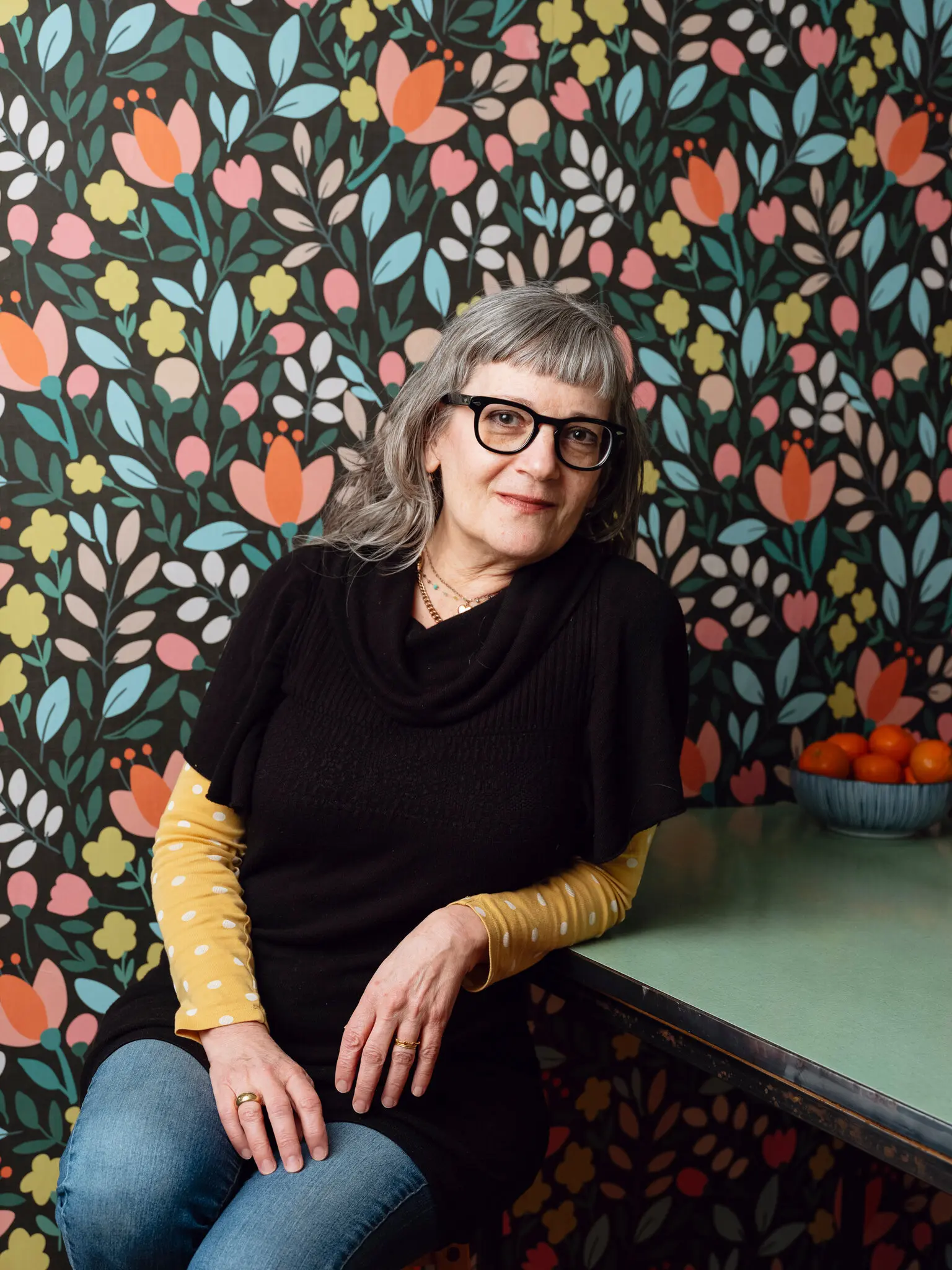
“Everyone who’s alive and aging is an oldster,” Ms. Botton said.
What makes this the best phase of your career?
I was always either behind or ahead of my peers. I was the first kid in my kindergarten class to read. I was the last girl in gym class to wear a training bra. Everything was off. I was the last one to get a boyfriend. I had this anxiety throughout my life, that I still have, that I’m not doing things at the right time. So publishing Oldster, engaging with other people’s feelings about getting older and their experiences of it, allows me to immerse myself in a subject that matters very much to me.
I like that “Oldster” isn’t exclusively about “old” people.
Chloé Caldwell took the Oldster questionnaire when she was 37, and one of the things she talked about was how many things changed for her between 35 and 36. She noticed, first of all, that men on the street were noticing her less. And the bigger thing was, at the time, she was trying to get pregnant. Now she’s written a whole memoir about that called “Trying.” At 35, she was a “viable” fertility candidate. At 36, she was a “geriatric” fertility candidate.
Do you have any dream Oldster interviews?
Patti Smith. She embodies something that I really admire in a certain kind of woman, where you can see the little girl in her, no matter how old she gets.
I mean, boomers need their own space, I suppose.

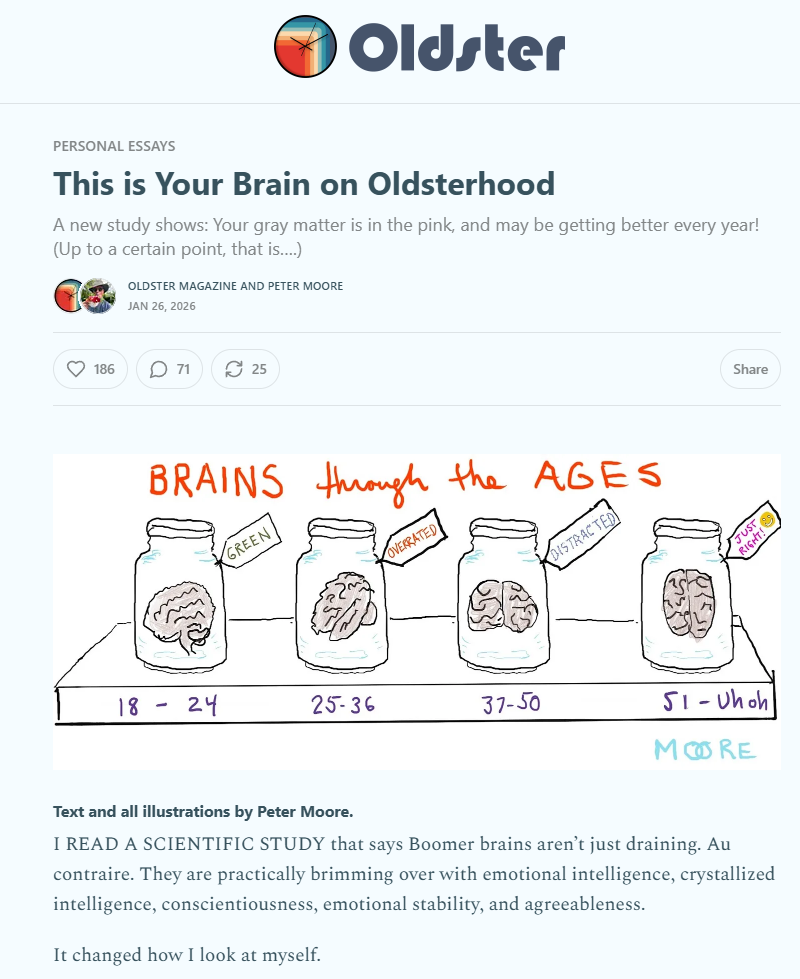

With the occasional doomposting.
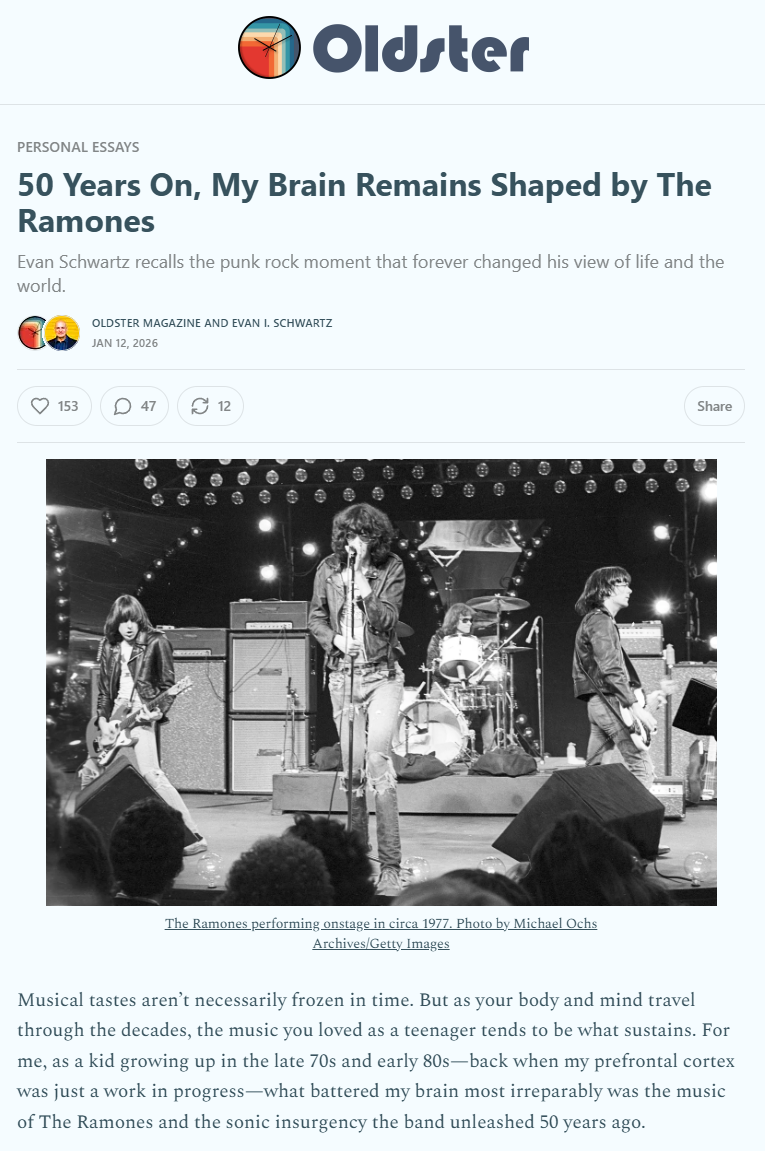
Thread music:
Sari Botton, who edits two popular newsletters on Substack, Oldster and Memoir
Land, at her home in Kingston, N.Y.
Oldster, a Substack newsletter by Sari Botton, came to her in a dream. She even remembers the date it arrived: Aug. 31, 2021.
“I made a joke about it on Twitter and then I proceeded to realize, ‘Wait a minute, it’s a good idea,’” said Ms. Botton, a 60-year-old writer and editor. “I immediately went on Substack, launched it, and immediately people started signing up.”
Oldster is not, as the name might suggest, a newsletter focused exclusively on people who are conventionally considered old. As the online description of Oldster explains, “It’s about the experience of getting older, and what that means at different junctures.”
“Everyone who’s alive and aging is an oldster,” Ms. Botton said. As such, the Substack features personal essays by Ms. Botton and guest essayists (the most popular among the newsletter’s readers, by Gail Rice, a psychologist and writer, is titled “For My 70th Birthday I Hired an Escort”) and a weekly questionnaire that has been answered by such artists as the novelist John Irving, 84; the Emmy-winning filmmaker Ava DuVernay, 53; and the actress Rosie O’Donnell, 63. Ms. Botton said contributors ranged in age from 30 to 99. The newsletter also features “Ask a Sober Oldster,” a monthly series in partnership with the Small Bow, a recovery and mental health newsletter and podcast.
Today, Oldster has more than 70,000 subscribers, and another newsletter Ms. Botton began in 2022, Memoir Land, has more than 35,000. Whereas Oldster focuses on the experience of aging, Memoir Land explores the craft of writing through interviews with authors and publishes original personal essays.
Ms. Botton, who has published a memoir recounted through essays called “And You May Find Yourself …” and two anthologies about loving and leaving New York City, has taught writing at universities like SUNY-Albany, and this April, she will lead an essay workshop at the Southern Vermont Writers’ Conference. And two original essays featured in Oldster received notable mentions in “The Best American Essays” anthologies — one in 2023, another in 2024. “I really love helping people develop as writers,” she said. “It’s very, very satisfying.”
Ms. Botton held a sold-out, live Oldster event in Kingston, N.Y., in October, and, on March 4, she will host a variety hour at Joe’s Pub in Manhattan, featuring, among others, writers Ophira Eisenberg, Mike Albo and Joyce Wadler.
In interviews, Ms. Botton discussed memoir writing, aging and finding career satisfaction at 60. They have been edited and condensed for length and clarity.
“It did not occur to me ever that I would be starting the best phase of my career at 60,” Ms. Botton said.
You were the essays editor for Longreads, an online platform that publishes long-form nonfiction. How did you go from that to forging your own path on Substack?
It was out of necessity, somewhat. I left Longreads in June 2020 — things were shifting there, and I chose to leave, but I was also warned every other week that I might be in the huge batch of people that were getting laid off. So the writing was on the wall. When I left, I was 54, and I just assumed that I would be able to get another similar job. And I could barely get an interview. If I got an interview, I couldn’t get a second interview, and people were saying really ageist things to me. The people who were getting the jobs I was applying for were 30, 35.
I had a little bit of a cushion that gave me time to finish my memoir. As I was finishing it, I just launched Oldster. I had started a series at Longreads called Fine Lines. It was popular, and I really loved it, but I also knew that I wasn’t done with the subject. I was only getting older, you know?
What were some of the ageist things said to you?
A 30-year-old interviewing me for a job said, “I’m surprised a legend like you would be interested in this job.” It did not feel like a compliment. A 40-something interviewing me asked, “With all you’ve done already in this field, wouldn’t you want to move on to something different by now?”
You’re publishing Oldster four times a week, and it has become a full-time job. Did it start out that way?
Initially, I was publishing, like, twice a week. I started the Oldster questionnaire that first week. Off the top of my head, I just was like, I want to ask people questions. I want to ask them the same questions, because that would make it easier for me to interview lots of people.
In the beginning, it was an essay a week — it was just me, and then the Oldster questionnaire. And then people started pitching me, and I started reaching out to people. I really did not have a plan. I was just finishing up my memoir. I figured I’d somehow find a job or learn a new skill and get a different kind of job.
It’s more than a full-time job, because I also have “Memoir Land,” that also publishes five days a week. So I’m putting in like 70 or more hours a week. But I love it. I’ve never been happier in my career.
Wow.
It did not occur to me ever that I would be starting the best phase of my career at 60, which I just turned in October. I’ve been building it for four and a half years. I’ve put so much of myself into it, and I continue to. People love what I’m doing. I get the nicest notes.
“Everyone who’s alive and aging is an oldster,” Ms. Botton said.
What makes this the best phase of your career?
I was always either behind or ahead of my peers. I was the first kid in my kindergarten class to read. I was the last girl in gym class to wear a training bra. Everything was off. I was the last one to get a boyfriend. I had this anxiety throughout my life, that I still have, that I’m not doing things at the right time. So publishing Oldster, engaging with other people’s feelings about getting older and their experiences of it, allows me to immerse myself in a subject that matters very much to me.
I like that “Oldster” isn’t exclusively about “old” people.
Chloé Caldwell took the Oldster questionnaire when she was 37, and one of the things she talked about was how many things changed for her between 35 and 36. She noticed, first of all, that men on the street were noticing her less. And the bigger thing was, at the time, she was trying to get pregnant. Now she’s written a whole memoir about that called “Trying.” At 35, she was a “viable” fertility candidate. At 36, she was a “geriatric” fertility candidate.
Do you have any dream Oldster interviews?
Patti Smith. She embodies something that I really admire in a certain kind of woman, where you can see the little girl in her, no matter how old she gets.
I mean, boomers need their own space, I suppose.
With the occasional doomposting.
Thread music:


