I want to bring fort an argument why the invasion of Venezuela might end up becoming a very financially costly affair for the US, unless the plan is to swap out Maduro for that chick and just let them spin in Caracas.
Of course if that is the plan the drug trade will most certainly increase beyond anything we've seen recently.
That will be the point of this argument. After all, the stated goal of the regime change is to stop drug trafficking into America. And unless the US spends extensive financial and military resources to stabilize control over all of Venezuela, especially its deep border regions (something no Venezuelan government has been able to do in half a century), it will be highly unlikely to eliminate the drug trade.
Of course, a more cynical observer would probably say that the actual goal is most likely to seize Venezuela's coastal and off-shore oil deposits. Especially the newly found oil deposits off the coast of Guyana, which Venezuela maintains a claim on, but the US supported government can easily revoke.

But if we are going to take the line of combating drug trade, this will be the operational theater we will be discussing:
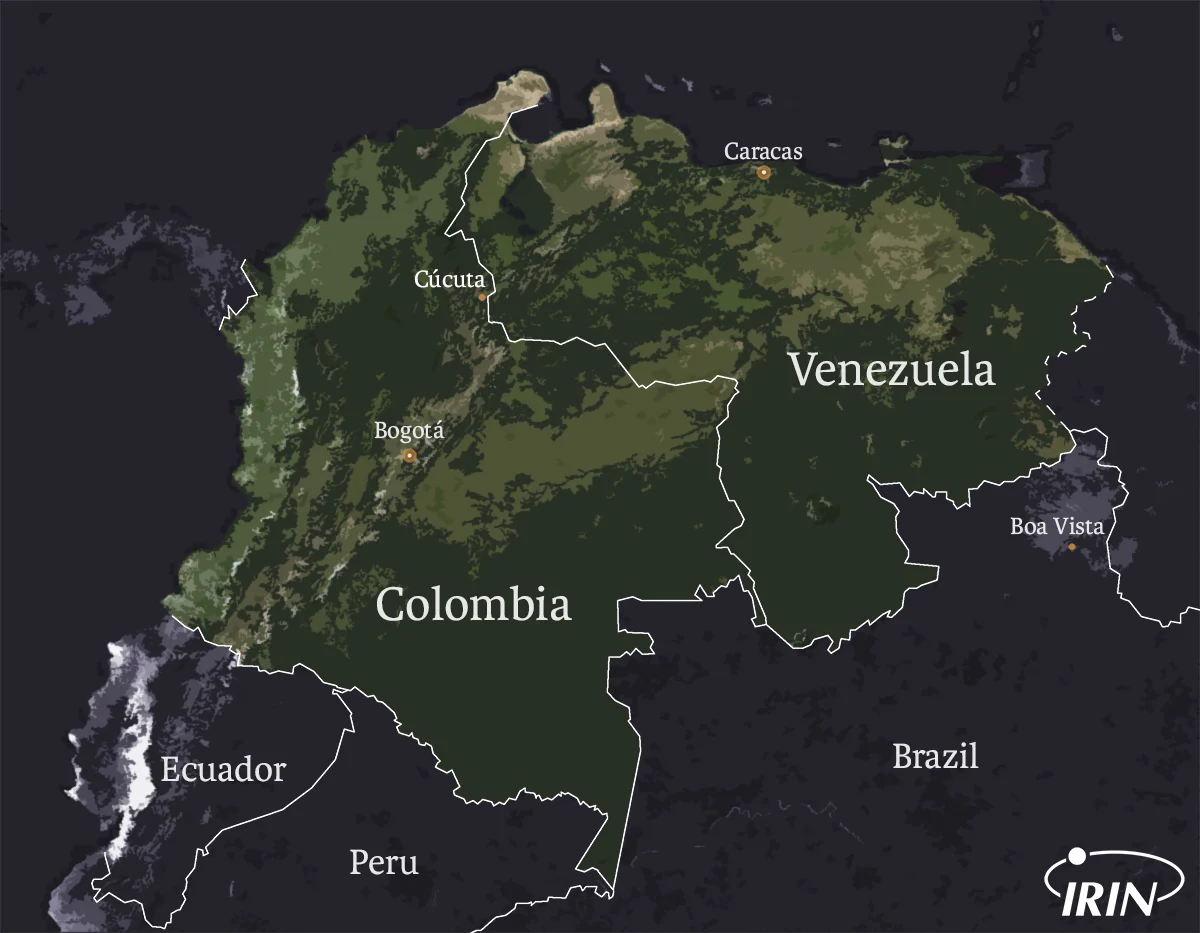
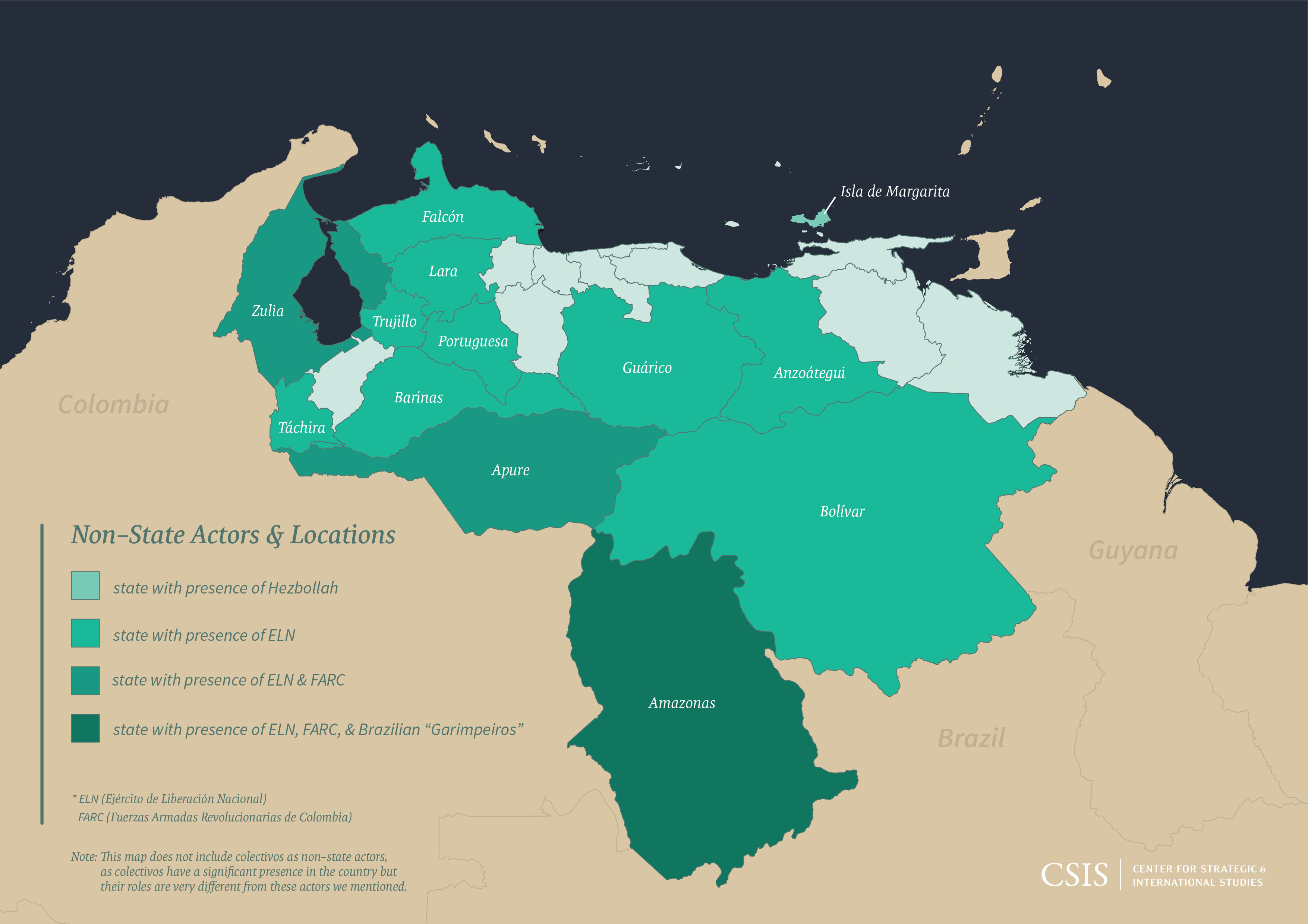
Now even during Maduros regime, Venezuela was mostly not run by Maduro. I'll provide two slightly outdated but still mostly relevant maps.
The first map is from 2022. It simply shows major illegal armed group influence in various Venezuelan regions as well as their primary illegal economic activity.

The second map is from 2018 and shows the interconnected nature between Colombian IAG's and Venezuelan and how basically most of the time they belong to the same mother organization. Essentially you have these shadow states on the border between these two countries.

We'll go back to the crime gangs shortly.
Before we move on I want to remind everyone that since more or less summer of 2025, Maduro has been arming civilians en masse in case of a needed guerilla response to American aggression. You can imagine that in more government controlled areas the people getting the guns were probably regime loyalists, while in other more remote ones, they are probably the criminals. So now in 2026 you have a significantly more armed criminal element in Venezuela, in case of a social collapse (Which could happen, unless the US pacifies the entirety of the nation and eliminates the armed capacity of the IAG's).
Here's another map of IAG's operating in Venezuela to roughly gauge the more significant IAG's that could be benefiting from this civilian mobilization.
Now let's move to Colombia. Since the demobilization of the FARC militias the activity of criminal gangs mostly just expanded within Colombia as there was a power vacuum that needed filling. And parts of the FARC just went full mask off and became the criminal gangs in some places. The potential criminal forces the US might have to clash against can freely jump borders not just between Venezuela and Colombia, but Brazil as well.


Northern Brazil is deeply connected in combined criminal activities on the border with both countries.

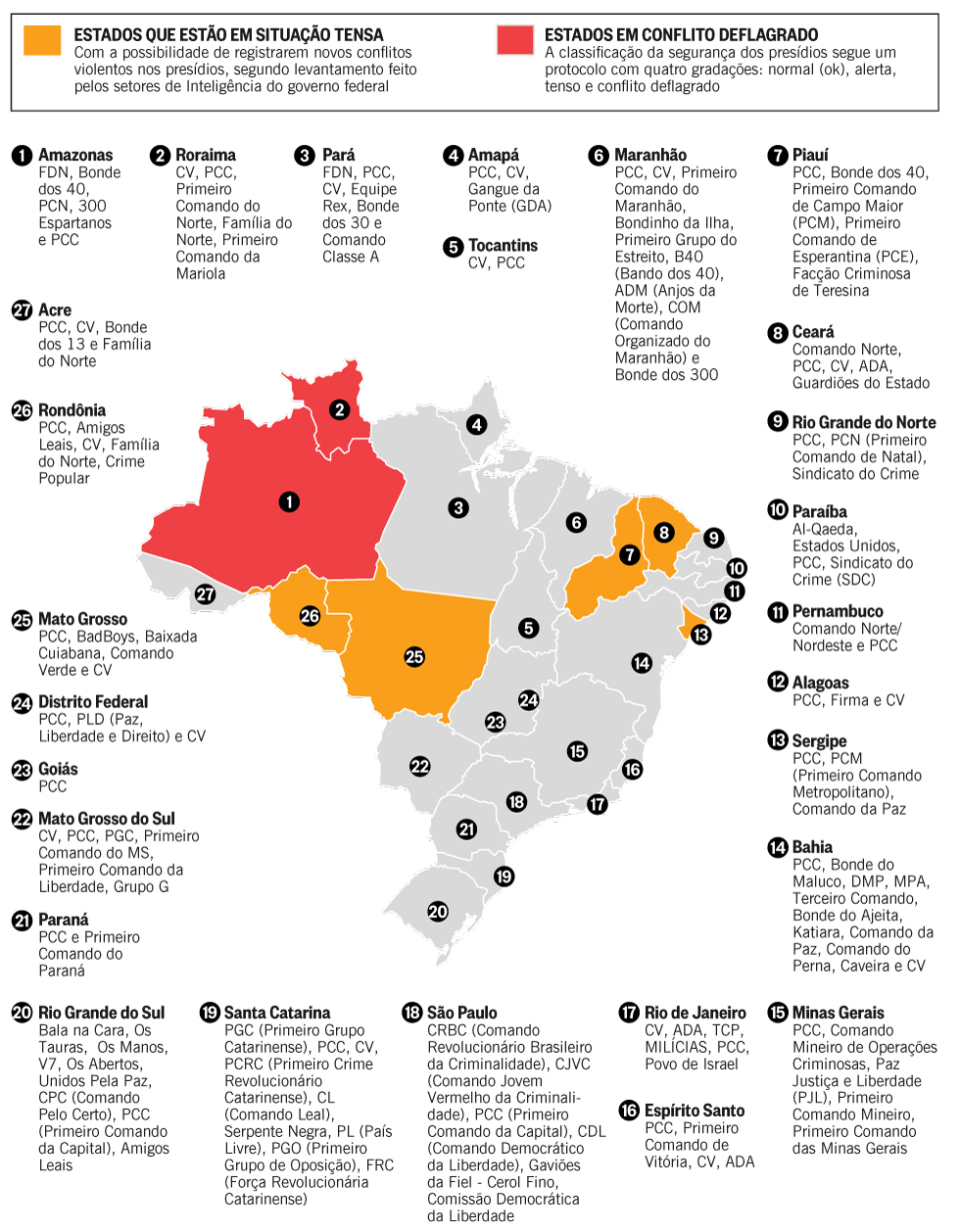
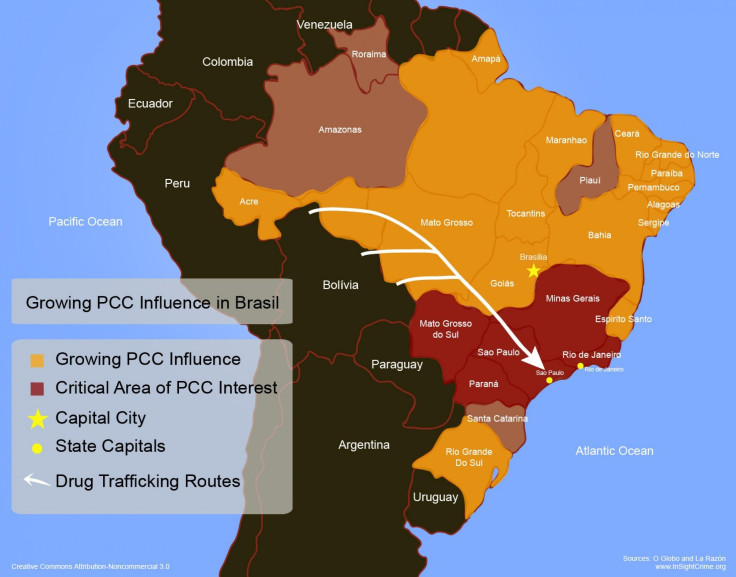
Essentially if it's not clear already, unless Venezuela is completely stabilized and pacified this will either turn into a new forever war or just a Libya scenario, where you have a puppet government in Caracas that lets you exploit reachable resources, while the rest of the country is left to the wolves.
Regardless, the drug trade will not stop as the criminal organizations facilitating it will just grow in power and in some cases in sovereignty. They might start setting up counter-government militias or even proclaiming rival governments.
And of course this will probably destabilize the entire region regardless, with criminal elements fleeing to Colombia and Brazil and further worsening the situations in those countries.
Sure it's cool to watch modern military equipment in operation, but I don't get the hype. This has much greater potential to backfire than to provide the US with any actual benefits.

️ — White House Deputy Chief of Staff for Policy Stephen Miller on Venezuela:


 An emergency virtual CELAC summit convened by Colombian President Gustavo Petro, with the support of Brazilian President Lula da Silva and Mexican President Claudia Sheinbaum, ended without a joint declaration after Argentina and several other countries rejected condemning the U.S. operation against Nicolás Maduro.


