[VΩiD] SoKAftH
kiwifarms.net
- Registrado
- 4 de Feb, 2026
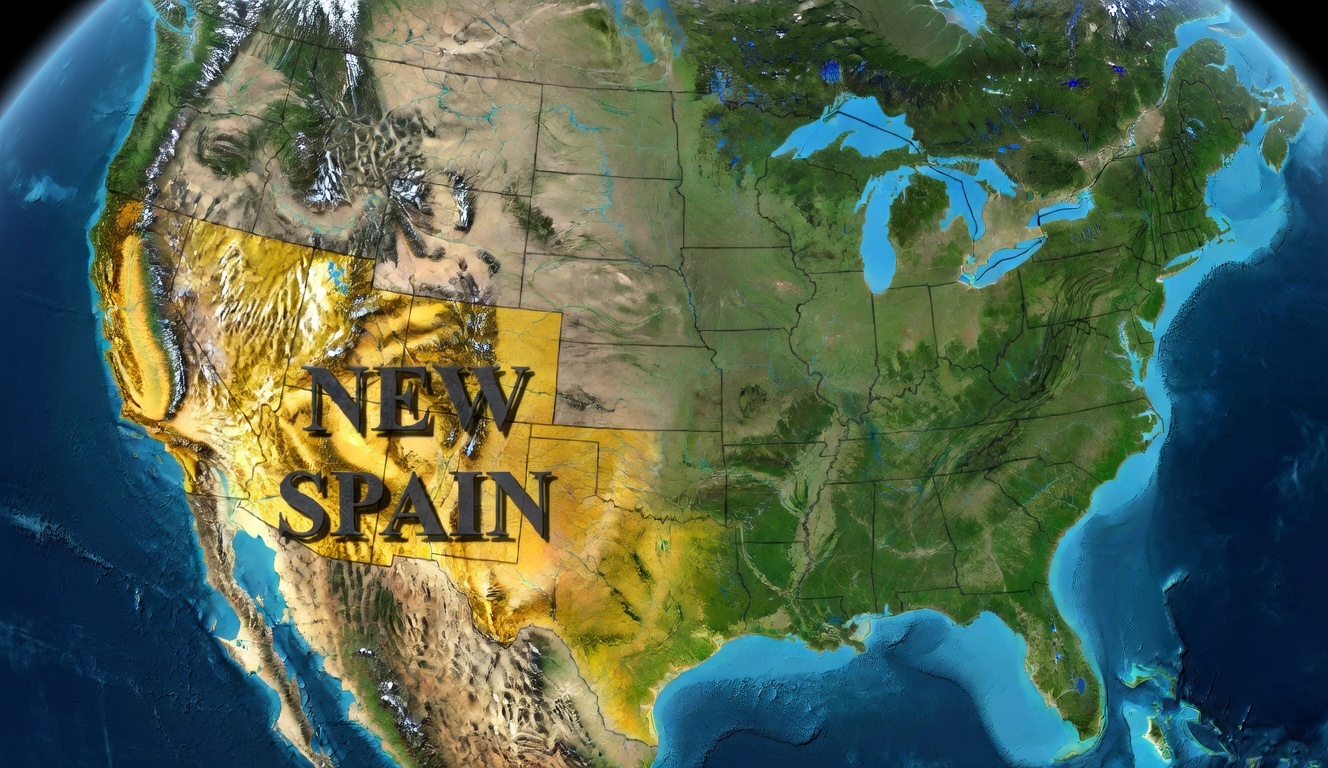
The cultural region depicted has an interesting place in America. It represents the modern borders of all the land gained by the United States as a result of victory in the Mexican-American war. It also represents the center of many political and cultural disputes. Here I will analyze them:
For starters, Colorado was the place where the drug legalization push began to become popular. This places it on the frontier of American developments with the rest. Arizona is the exception, as I cannot think of anything at all controversial about it.

In its place, California has double the controversy. Two generations of revolutionary communications developments, being film and computers, have their seat in California. If the state was split in two, each state would still be among the most important of states. It has a large population and a large population of immigrants. It has a recent history of harboring illegal immigrants in what it calls sanctuary cities. It is the place where former president Ronald Reagan became first governor then challenger to the Republican party status quo and ultimately a conservative leader. Not to mention, he was the one who signed the Immigration Reform and Control Act of 1986, notable for granting amnesty to illegal immigrants.

Nevada is next: notable for legalized gambling and prostitution, this state is no exception to the rule that southwestern states always have something going on.

Utah has a unique history as well, being remarkably distinct from the rest of the country on religious grounds.

New Mexico by its name alone strays far from the trend of American states by being explicitly Spanish in origin. California is as well, as is Texas, and technically Nevada and Colorado as well, but the fact that there is such a thing as a New Mexico indicates interesting and important things that make the region of the Southwest unique.

Texas is second to California in population, and represents the conservative counterpart to its liberalness. Texas is ground zero for the immigration dispute, with the 2024 Governors' Letter to the Biden administration being a high point in the dispute between the states and people, and the federal government.

Oklahoma is perhaps odd to include, but it is also strange, being the place where the Native Americans were removed to, and the state with perhaps the largest Native political presence, especially in reservations. Thomas Jefferson said that it would be many generations before Americans and Natives would be able to integrate together, so it makes sense to include the still somewhat unintegrated Native Americans in the mix of cultures and ideas that make up the Southwest.
With all these different elements in the mix, we have a real interesting question in terms of deciding what can be done with the region as a whole.
My consideration is that the region should be called New Spain. Here I will elaborate why:
1. When the country today called Mexico was made independent, it reverted its original name from "New Spain" to "Mexico". This means that there was now a Native American country neighboring the United States, instead of a Spanish colony.
2. When the Texans had to fight for their independence, what ultimately delivered them was the fact that not only had they staunchly upheld the legitimate Mexican constitution, but they were by right in the land as settlers from a precedent dating back to it having been signed over to theri use by the king of Spain.
3. The Spanish language is the second most utilized language in the United States, in part because of legal immigrants, and in part because of illegal immigrants. Hispanics represent the largest minority group in America. Assimilating and integrating them represents a key way to bring about an increase in the homogeneity of the country, and therefore the unity of it.
If Mexico can remove the name of New Spain from itself, and Texas can remove itself from Mexico on old Spanish precedent, and America can defend that claim to the point of annexing the rest of the Southwest, doesn't America have such a claim as is necessary to be considered the successor to Spanish power and heritage in the region? We already not only exist as New England but New France as well, having taken the majority of French territory on the continent, and gained our liberty in part to do so with the blessing of France. We already assimilated the French Americans anyway, excepting those who were settled outside of our borders in Quebec. Why is assimilating Spanish culture and heritage not similarly sought? If every Spanish colony except one has repudiated colonial interest in settlement and development, and has reverted to a state of stagnant growth, why should not the successful Spanish splinter in America take up the reins for the better of the whole Spanish-American civilization? Does this not mark the easiest point where Americans could export their superior culture to this region of the world, as has been done with partial success in Europe? Isn't this a keystone for political social and cultural development in the waiting?
For starters, Colorado was the place where the drug legalization push began to become popular. This places it on the frontier of American developments with the rest. Arizona is the exception, as I cannot think of anything at all controversial about it.
In its place, California has double the controversy. Two generations of revolutionary communications developments, being film and computers, have their seat in California. If the state was split in two, each state would still be among the most important of states. It has a large population and a large population of immigrants. It has a recent history of harboring illegal immigrants in what it calls sanctuary cities. It is the place where former president Ronald Reagan became first governor then challenger to the Republican party status quo and ultimately a conservative leader. Not to mention, he was the one who signed the Immigration Reform and Control Act of 1986, notable for granting amnesty to illegal immigrants.
Nevada is next: notable for legalized gambling and prostitution, this state is no exception to the rule that southwestern states always have something going on.
Utah has a unique history as well, being remarkably distinct from the rest of the country on religious grounds.
New Mexico by its name alone strays far from the trend of American states by being explicitly Spanish in origin. California is as well, as is Texas, and technically Nevada and Colorado as well, but the fact that there is such a thing as a New Mexico indicates interesting and important things that make the region of the Southwest unique.
Texas is second to California in population, and represents the conservative counterpart to its liberalness. Texas is ground zero for the immigration dispute, with the 2024 Governors' Letter to the Biden administration being a high point in the dispute between the states and people, and the federal government.
Oklahoma is perhaps odd to include, but it is also strange, being the place where the Native Americans were removed to, and the state with perhaps the largest Native political presence, especially in reservations. Thomas Jefferson said that it would be many generations before Americans and Natives would be able to integrate together, so it makes sense to include the still somewhat unintegrated Native Americans in the mix of cultures and ideas that make up the Southwest.
With all these different elements in the mix, we have a real interesting question in terms of deciding what can be done with the region as a whole.
My consideration is that the region should be called New Spain. Here I will elaborate why:
1. When the country today called Mexico was made independent, it reverted its original name from "New Spain" to "Mexico". This means that there was now a Native American country neighboring the United States, instead of a Spanish colony.
2. When the Texans had to fight for their independence, what ultimately delivered them was the fact that not only had they staunchly upheld the legitimate Mexican constitution, but they were by right in the land as settlers from a precedent dating back to it having been signed over to theri use by the king of Spain.
3. The Spanish language is the second most utilized language in the United States, in part because of legal immigrants, and in part because of illegal immigrants. Hispanics represent the largest minority group in America. Assimilating and integrating them represents a key way to bring about an increase in the homogeneity of the country, and therefore the unity of it.
If Mexico can remove the name of New Spain from itself, and Texas can remove itself from Mexico on old Spanish precedent, and America can defend that claim to the point of annexing the rest of the Southwest, doesn't America have such a claim as is necessary to be considered the successor to Spanish power and heritage in the region? We already not only exist as New England but New France as well, having taken the majority of French territory on the continent, and gained our liberty in part to do so with the blessing of France. We already assimilated the French Americans anyway, excepting those who were settled outside of our borders in Quebec. Why is assimilating Spanish culture and heritage not similarly sought? If every Spanish colony except one has repudiated colonial interest in settlement and development, and has reverted to a state of stagnant growth, why should not the successful Spanish splinter in America take up the reins for the better of the whole Spanish-American civilization? Does this not mark the easiest point where Americans could export their superior culture to this region of the world, as has been done with partial success in Europe? Isn't this a keystone for political social and cultural development in the waiting?


