
- Registrado
- 11 de Jul, 2022
This thread is for discussing smartphones with physical keyboards and reminiscing about old phones that had them.
My fellow Kiwis of a venerable vintage will remember the golden age of compact keyboard. Back when sending texts was the most important thing your phone could do, and you needed a separate device just to play music.
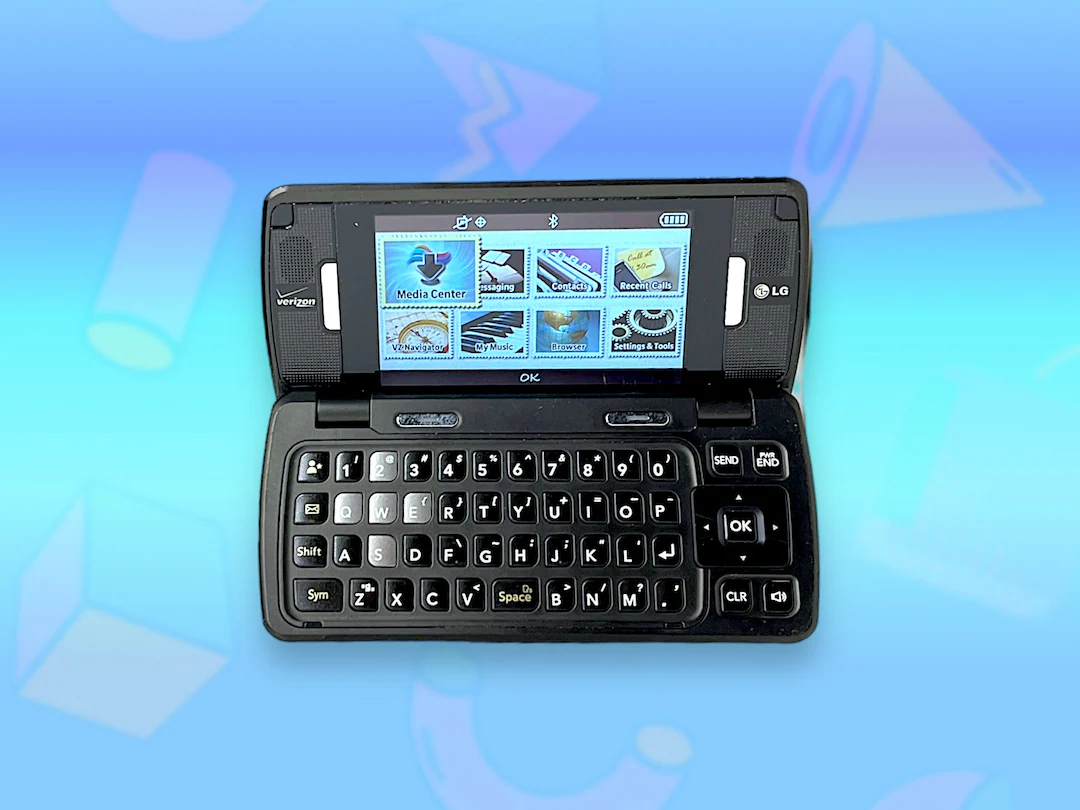
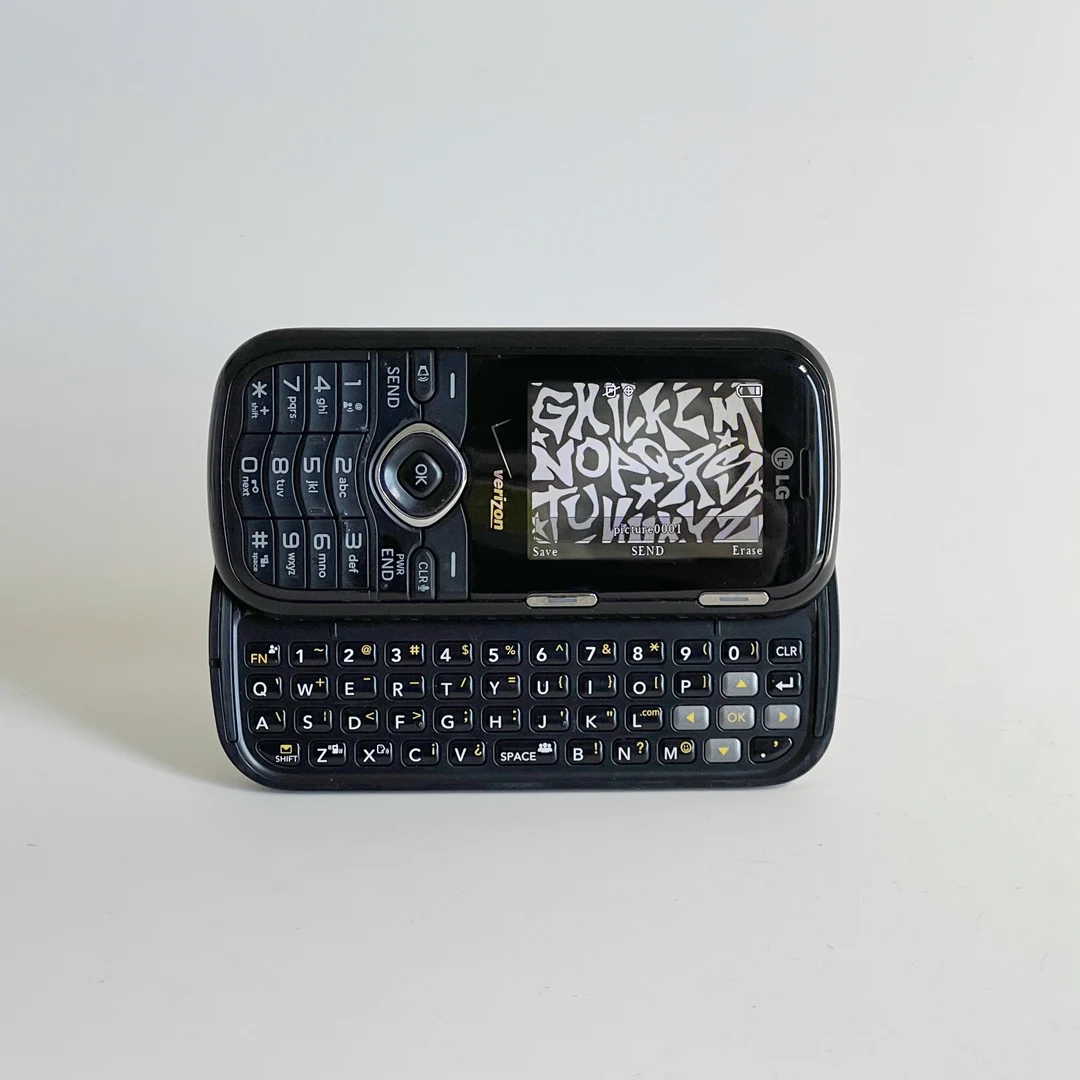
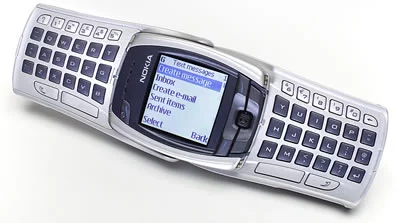
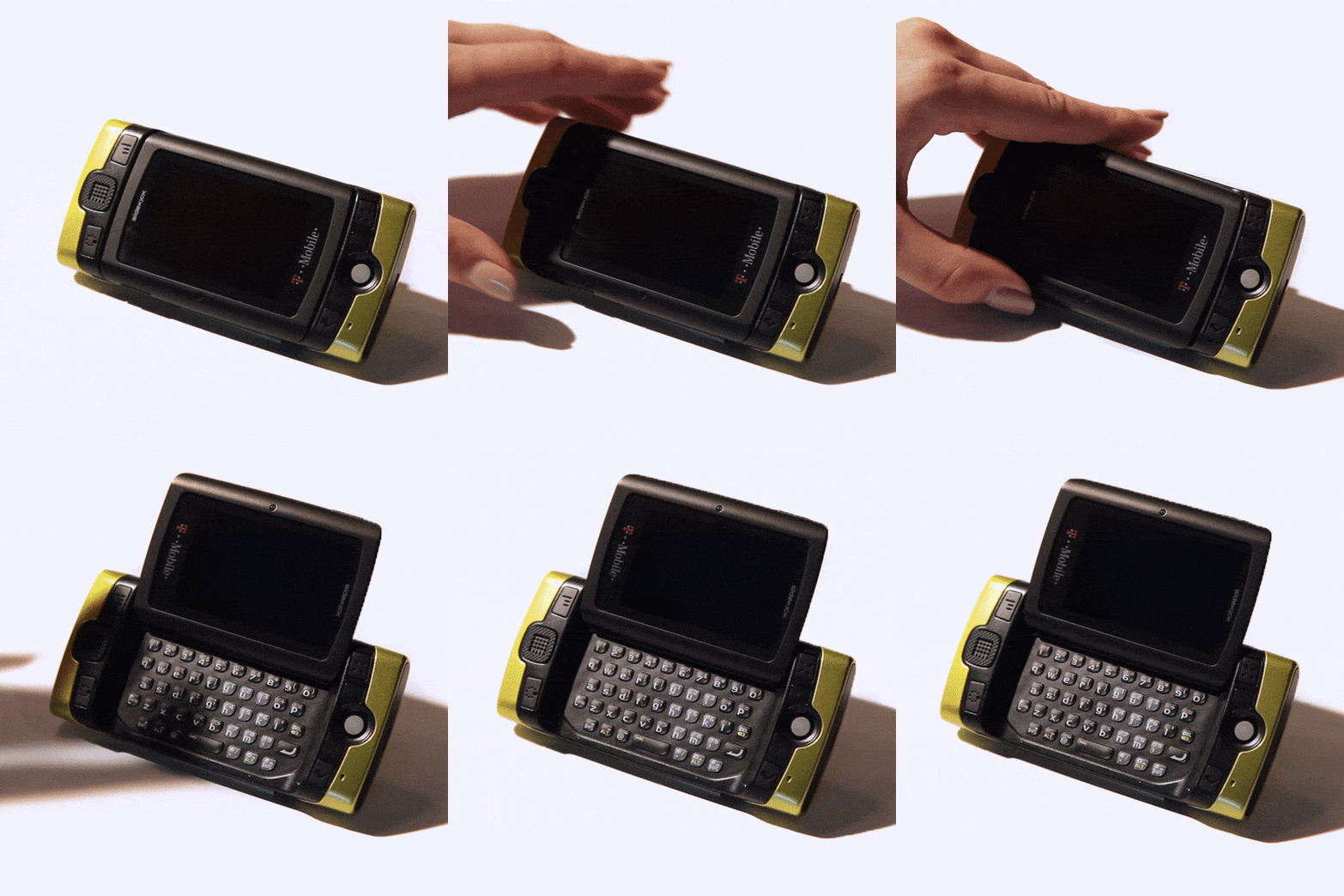
While cellphones today have almost all embraced the flat rectangle shape, the phones of yesterday came in a variety of interesting forms.
Flippers
Sliders
Split boards
The Sidekick
And, reigning king of the pre-smartphone age, the BlackBerry.
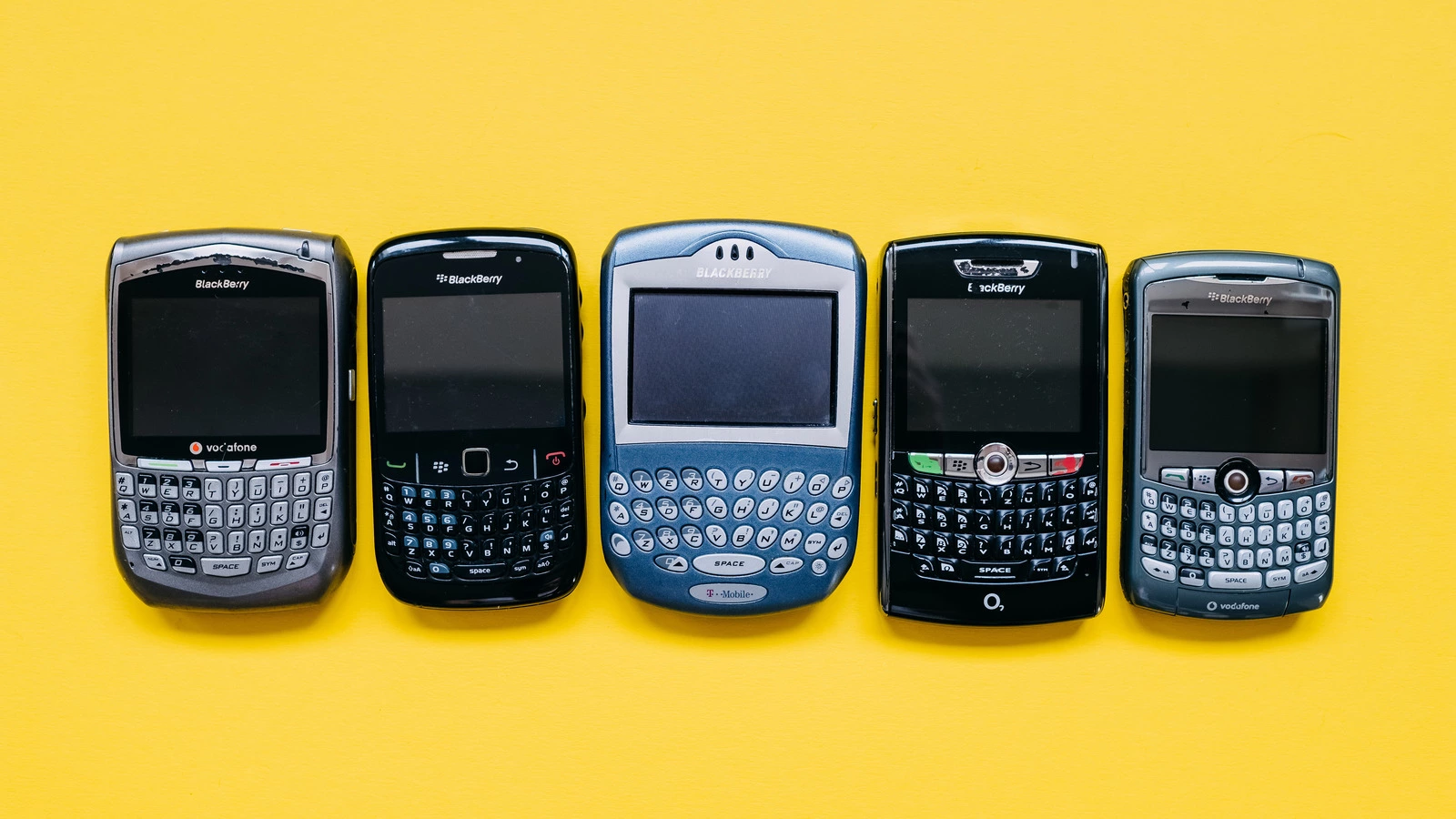
Many are quick to say the physical keyboard is obsolete. Something we don't need anymore and a worthy sacrifice in the name of more screen. This might be true if all the keyboard could do is type, but that is not the case.
Just as phones have gotten smarter, the manufacturers who stuck with the keyboard made it smarter too. No longer can it only type, it is also a trackpad-like surface for scrolling and gestures. Every key can be programmed for a variety of functions like opening an app, activating the flashlight, calling a friend, etc. If you like to play games on your phone, you no longer have to deal with shitty on screen controls with a field of real buttons at your disposal.
Sadly only a brave few have dared to make smartphones with built in keyboards, and those numbers are dwindling.
For a while BlackBerry still reigned king of this crumbling kingdom.
Their Key series phones, especially the KeyOne Black Edition, were the best phones I've ever had.
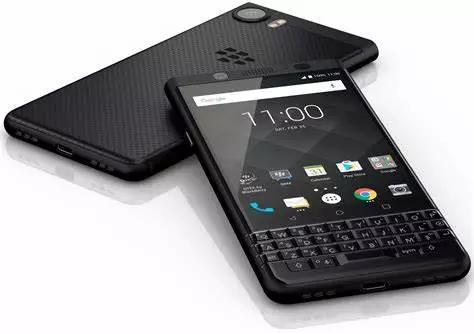
Alas, they ceased manufacturing phones after the Key2 and surviving examples are overpriced, barely supported, and of increasingly outdated spec. To give that some perspective, the absolute best you could get is a Key2 with a snapdragon 660, 2.2ghz CPU, and 6gb of RAM, running Android 8.1 with no way to update it. Oh and it will cost like $500-$800 depending on internal memory and whether its new or used.
Compared to a mid-level "normal" smartphone like a Samsung Galaxy A series, that's really bad value for money.
But the Physical Keyboard Smartphone hasn't gone away entirely, one company keeps hanging in there: Unihertz.
Unihertz is a Chinese company that has been around since 2016 and found a dual-niche market of rugged and/or keyboarded android smartphones. For the purpose of this thread their Titan line is of the most interest.
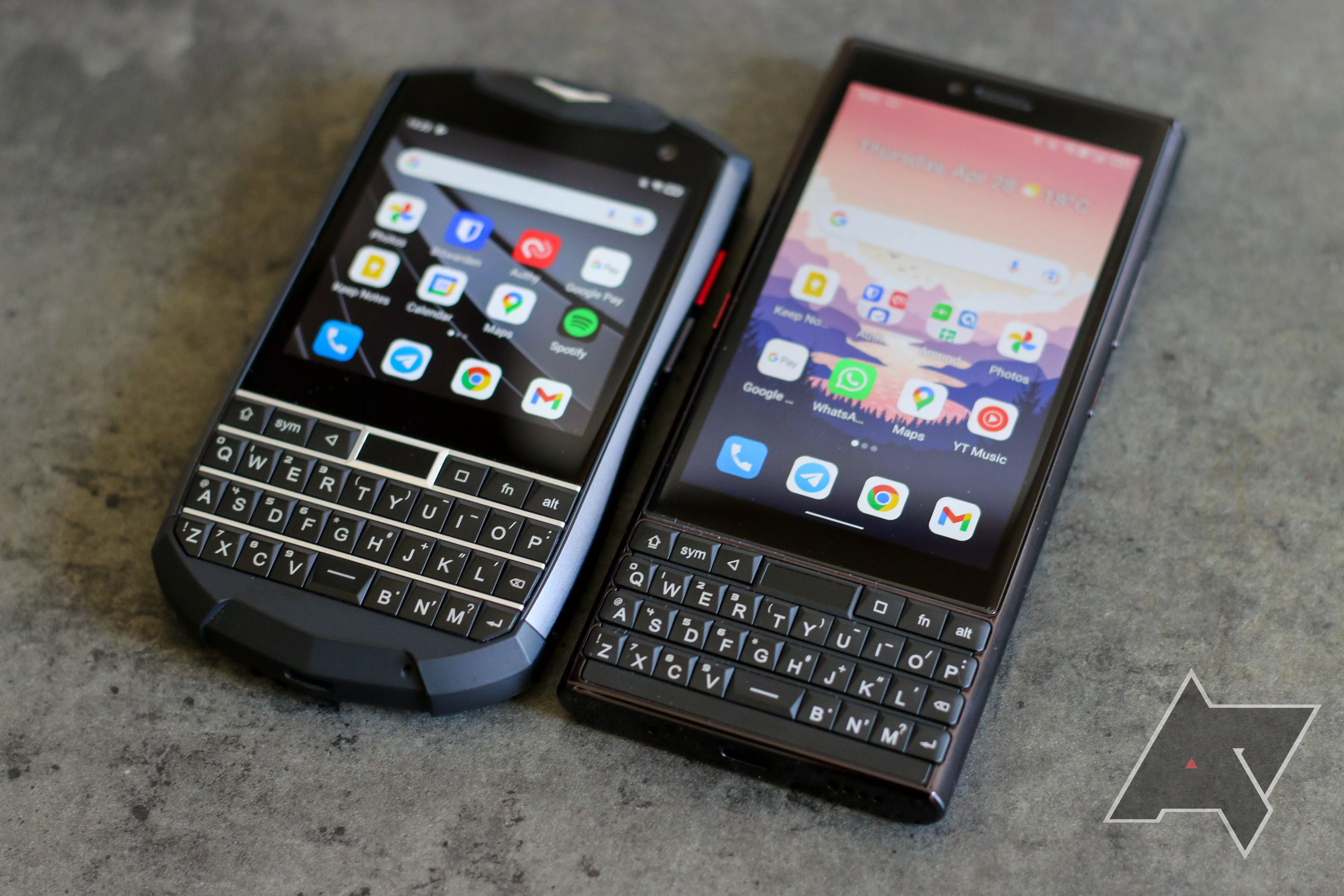
Pictured are the Titan Pocket and Titan Slim, from 2021 and 2022 respectively. The original Titan is just the pocket but bigger and older.
For the niche the seek to fill these phones are adequate. They run Android 11, have reasonable specs, and lower mid range cost.
Later this year, Unihertz is poised to start shipping their Titan 2.
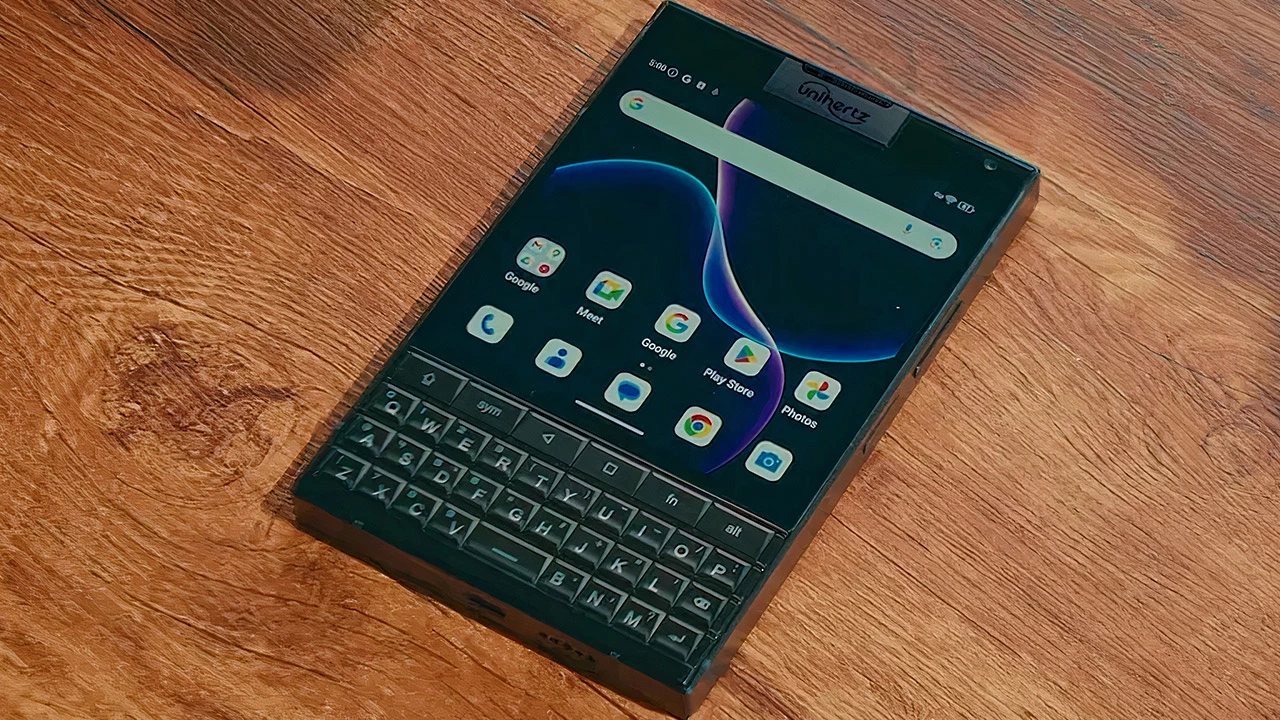
Splitting the difference between the shapes of the previous models, we have a slim and stout machine. It's got 5g connectivity, runs Android 15, 512GB of storage (no SD slot), and a 5050mah battery.
There's also a weird little second screen on the back.
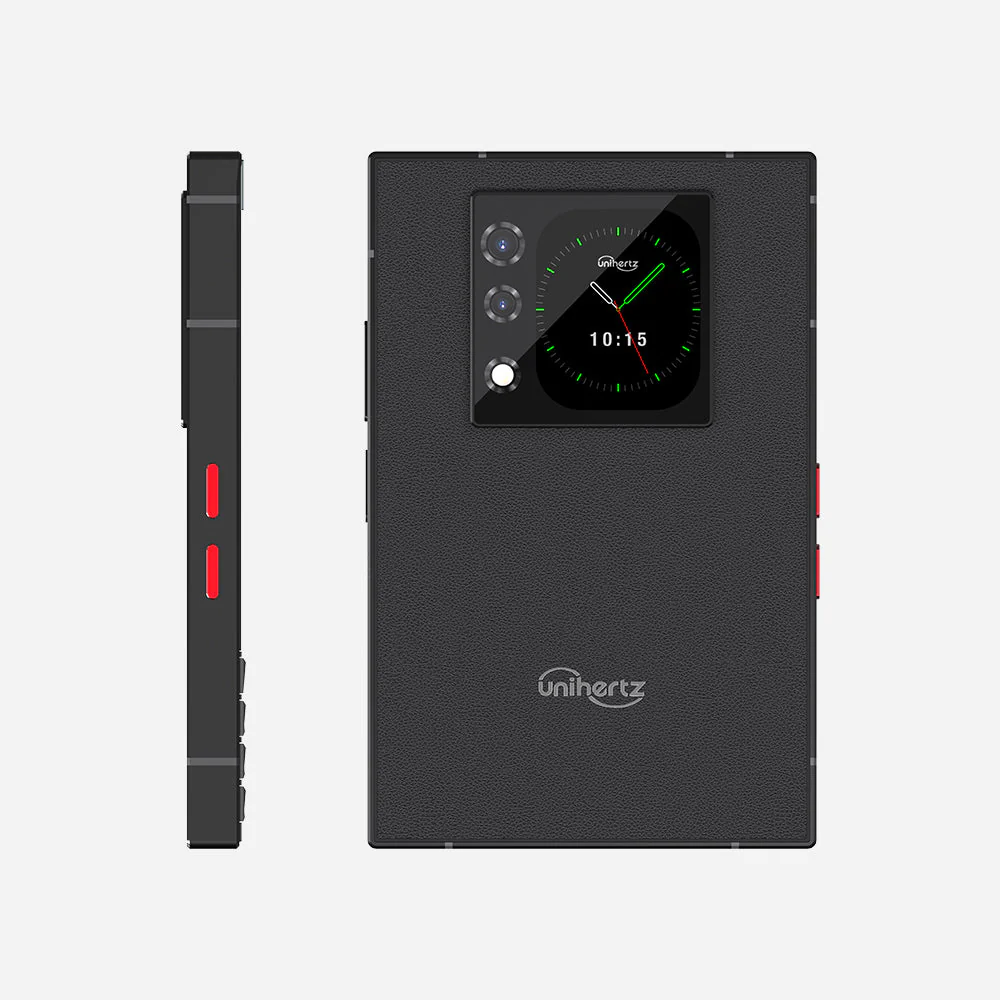
Neat.
Overall it sounds like a great phone, especially at $400, but it's not without it's drawbacks. For one the screen is LCD, no fancy OLEDs here. There's no MicroSD slot, though mitigated by the substantial internal storage this is still an inconvenience. The unusual shape could also be an issue. Since phones have more or less congealed into the standard rectangle shape, most of the apps and interfaces are designed with that shape in mind; the Titan 2's square-ish screen might not play nice with all of them. Finally theres the issue of aftermarket accessories like cases and mounts. Due to its niche nature there may not be any aftermarket support at all, and if there is it will be very limited.
This phone makes a lot of compromises to be what it is, and IMO they should have committed to some of them more than they did.
Going back to the BlackBerry KeyOne for a moment, one of the biggest drawbacks of attempting to staple a keyboard to the bottom of a screen with more traditional modern smartphone proportions is that it limits the functionality of rotation. Aside from watching videos, there really isn't much to be gained when rotating the phone since the keyboard is now out of alignment. This explains the virture of the more squared shape that the Titan 2 has, but I would say the width was a misstep. It's going to make it awkward to pocket and more susceptible to bending, especially without available cases. The value of this compromise, having a bigger screen, is undercut by the niche audience and the fact that its an LCD screen. People who are interested in this phone wont be buying it to get a large screen, if they cared about that they'd go get a normal smartphone. So if there's value to the more squared shape, but too much compromise in the larger screen, why no just make the phone smaller overall? Their Titan Pocket model had a better size layout, but it was just an imitation of greatness.
The perfect phone form factor already exists, and it was called the BlackBerry Q20 "Classic."
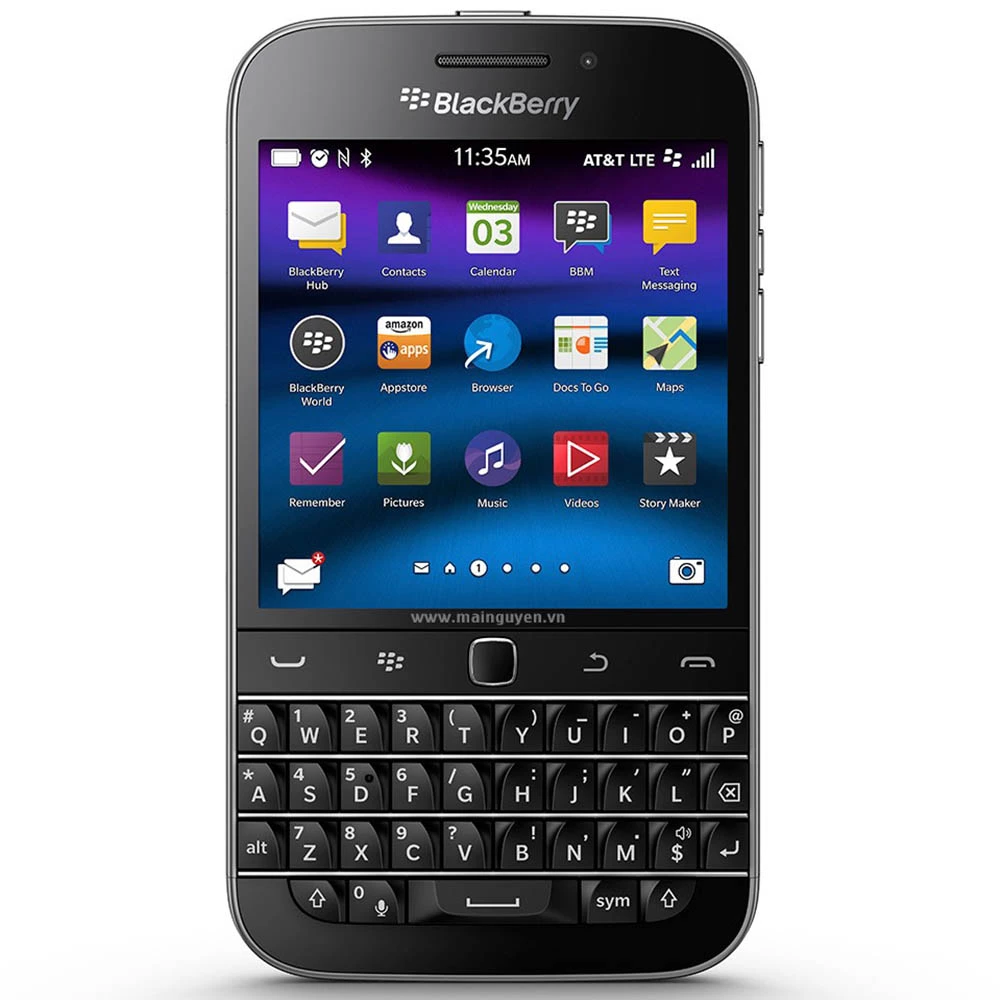
Arguably the last true BlackBerry, the Classic was held back by the proprietary software that clung too hard to the brand's corporate connotations, but physically it was perfection. If only someone would take this same chassis and upgrade it to a more modern spec.
Enter Zinwa Technologies, a small Chinese tech company that is making the Q25 Pro, an updated version of the BlackBerry Classic, aka the BrackBerry Crassic. It will look the same as the Classic pictured above, but with the following specs:
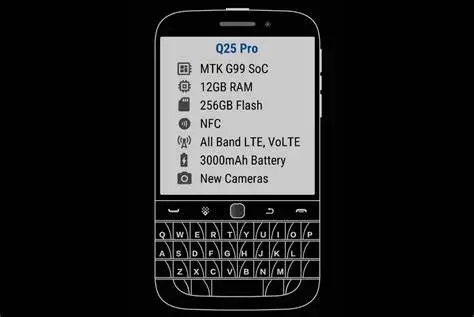
All for the same $400 price as the Titan 2.
Of course it also has it's drawbacks. It comes from a small, unproven, company, it's limited to 4G connectivity, and they only just started shipping out fully assembled models (it's also available as a parts kit if you already have a Classic) which they are calling a "closed beta test" for anyone who buys them. Not to mention the non-zero chance of Chinese Spyware (but the Titan 2 is also Chinese so...)
Honestly I find the concept of a modernized BlackBerry Classic so viscerally appealing that I am tempted to throw $400 at them for anyway, and I'll definitely be keeping tabs on how it develops going forward. They also announced plans to give the KeyOne and Passport models the same treatment if you prefer those shapes.
My fellow Kiwis of a venerable vintage will remember the golden age of compact keyboard. Back when sending texts was the most important thing your phone could do, and you needed a separate device just to play music.
While cellphones today have almost all embraced the flat rectangle shape, the phones of yesterday came in a variety of interesting forms.
Flippers
Sliders
Split boards
The Sidekick
And, reigning king of the pre-smartphone age, the BlackBerry.
Many are quick to say the physical keyboard is obsolete. Something we don't need anymore and a worthy sacrifice in the name of more screen. This might be true if all the keyboard could do is type, but that is not the case.
Just as phones have gotten smarter, the manufacturers who stuck with the keyboard made it smarter too. No longer can it only type, it is also a trackpad-like surface for scrolling and gestures. Every key can be programmed for a variety of functions like opening an app, activating the flashlight, calling a friend, etc. If you like to play games on your phone, you no longer have to deal with shitty on screen controls with a field of real buttons at your disposal.
Sadly only a brave few have dared to make smartphones with built in keyboards, and those numbers are dwindling.
For a while BlackBerry still reigned king of this crumbling kingdom.
Their Key series phones, especially the KeyOne Black Edition, were the best phones I've ever had.
Alas, they ceased manufacturing phones after the Key2 and surviving examples are overpriced, barely supported, and of increasingly outdated spec. To give that some perspective, the absolute best you could get is a Key2 with a snapdragon 660, 2.2ghz CPU, and 6gb of RAM, running Android 8.1 with no way to update it. Oh and it will cost like $500-$800 depending on internal memory and whether its new or used.
Compared to a mid-level "normal" smartphone like a Samsung Galaxy A series, that's really bad value for money.
But the Physical Keyboard Smartphone hasn't gone away entirely, one company keeps hanging in there: Unihertz.
Unihertz is a Chinese company that has been around since 2016 and found a dual-niche market of rugged and/or keyboarded android smartphones. For the purpose of this thread their Titan line is of the most interest.
Pictured are the Titan Pocket and Titan Slim, from 2021 and 2022 respectively. The original Titan is just the pocket but bigger and older.
For the niche the seek to fill these phones are adequate. They run Android 11, have reasonable specs, and lower mid range cost.
Later this year, Unihertz is poised to start shipping their Titan 2.
Splitting the difference between the shapes of the previous models, we have a slim and stout machine. It's got 5g connectivity, runs Android 15, 512GB of storage (no SD slot), and a 5050mah battery.
There's also a weird little second screen on the back.
Neat.
Overall it sounds like a great phone, especially at $400, but it's not without it's drawbacks. For one the screen is LCD, no fancy OLEDs here. There's no MicroSD slot, though mitigated by the substantial internal storage this is still an inconvenience. The unusual shape could also be an issue. Since phones have more or less congealed into the standard rectangle shape, most of the apps and interfaces are designed with that shape in mind; the Titan 2's square-ish screen might not play nice with all of them. Finally theres the issue of aftermarket accessories like cases and mounts. Due to its niche nature there may not be any aftermarket support at all, and if there is it will be very limited.
This phone makes a lot of compromises to be what it is, and IMO they should have committed to some of them more than they did.
Going back to the BlackBerry KeyOne for a moment, one of the biggest drawbacks of attempting to staple a keyboard to the bottom of a screen with more traditional modern smartphone proportions is that it limits the functionality of rotation. Aside from watching videos, there really isn't much to be gained when rotating the phone since the keyboard is now out of alignment. This explains the virture of the more squared shape that the Titan 2 has, but I would say the width was a misstep. It's going to make it awkward to pocket and more susceptible to bending, especially without available cases. The value of this compromise, having a bigger screen, is undercut by the niche audience and the fact that its an LCD screen. People who are interested in this phone wont be buying it to get a large screen, if they cared about that they'd go get a normal smartphone. So if there's value to the more squared shape, but too much compromise in the larger screen, why no just make the phone smaller overall? Their Titan Pocket model had a better size layout, but it was just an imitation of greatness.
The perfect phone form factor already exists, and it was called the BlackBerry Q20 "Classic."
Arguably the last true BlackBerry, the Classic was held back by the proprietary software that clung too hard to the brand's corporate connotations, but physically it was perfection. If only someone would take this same chassis and upgrade it to a more modern spec.
Enter Zinwa Technologies, a small Chinese tech company that is making the Q25 Pro, an updated version of the BlackBerry Classic, aka the BrackBerry Crassic. It will look the same as the Classic pictured above, but with the following specs:
All for the same $400 price as the Titan 2.
Of course it also has it's drawbacks. It comes from a small, unproven, company, it's limited to 4G connectivity, and they only just started shipping out fully assembled models (it's also available as a parts kit if you already have a Classic) which they are calling a "closed beta test" for anyone who buys them. Not to mention the non-zero chance of Chinese Spyware (but the Titan 2 is also Chinese so...)
Honestly I find the concept of a modernized BlackBerry Classic so viscerally appealing that I am tempted to throw $400 at them for anyway, and I'll definitely be keeping tabs on how it develops going forward. They also announced plans to give the KeyOne and Passport models the same treatment if you prefer those shapes.


