For those who don’t know, a tulpa is an imaginary friend developed through a process called “forcing” (the act of focusing on and developing a tulpa’s presence or strength by devoting specific attention to them or otherwise interacting with them). In ancient times, tulpas were considered mythical creatures, but as our understanding of the world grew, people found a rational explanation for this phenomenon. After looking through guides on making tulpas, I found an uncanny resemblance between "forcing" and Christian prayer. You can watch any video on how to pray, replace "God" with "Rainbow Dash," and you'll essentially get a guide on how to make a tulpa. Through repeated prayer, a believer reinforces his delusions, which can manifest in the form of religious sensations and even voices in the head. So far, this seems to be the most logical explanation for why so many people felt that God was talking to them and were willing to die for their beliefs.
Navegación
Instalar la aplicación
Cómo instalar la aplicación en iOS
Sigue el video de abajo para ver cómo instalar nuestro sitio como una aplicación web en tu pantalla de inicio.
Nota: Esta función puede no estar disponible en algunos navegadores.
Más opciones
Variación de estilo
Estás usando un navegador desactualizado. Es posible que no muestre este u otros sitios web correctamente.
Deberías actualizar o usar un navegador alternativo.
Deberías actualizar o usar un navegador alternativo.
Is God a tulpa?
- Iniciador del tema Pukich34
- Fecha de inicio
-
🇵🇦 Nuestro primer dominio localizado está en español en kiwifarms.pa. Our first localized domain is on Spanish on kiwifarms.pa.
-
Want to keep track of this thread?
Accounts can bookmark posts, watch threads for updates, and jump back to where you stopped reading.
Create account

- Registrado
- 31 de Dic, 2019
God don't within your head. You live within His. Think about that.
- Registrado
- 1 de Ene, 2024
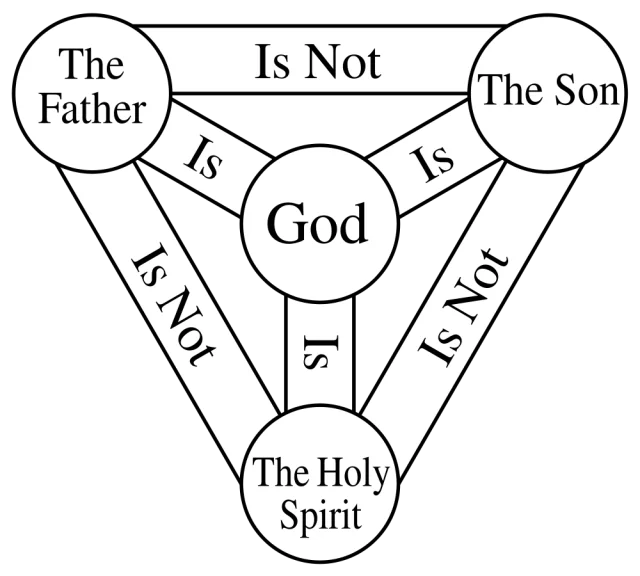
God is the holy spirit and it is advanced beyond any tulpa if you are lucky enough you will hear the holy spirit and it will guide you unlike tulpas that can be evil spirits and mislead you.


- Registrado
- 23 de Feb, 2019
It could be for some people, maybe not for others.
The reason why people who thought they were enforcing divine ruling because they were the chosen ones by god, might not be because of what you talk about, like there's a lot of factors.
I can think of some scenarios which probably happened throughout the course of human history:
The reason why people who thought they were enforcing divine ruling because they were the chosen ones by god, might not be because of what you talk about, like there's a lot of factors.
I can think of some scenarios which probably happened throughout the course of human history:
- Due to their status in life (by birth or by luck), they believed themselves to be blessed by god and so their duty was to carry out its supposed will, without necessarily interacting directly between each other.
- People taking drugs (yeah, at the time, certain hallucinogenic plants or substances) that gave them the final push in believing holiness appeared before them & only them.
- Actual obsession over being addressed directly by god, a desire that would make them gaslight themselves into this, even though they didn't even experience such a thing, like a kid convincing themself that something happened when it didn't.
- Psychosis.
- Ignorance, like attributing coincidences to miracles. People to this day believe in magic (in its stupidest form, like a first world, university student believing in the horoscope, divination through emojis on Twitter, etc), people thinking a bird was an alien, with no more critical thinking or skepticism.
- People LARPing that even didn't believe in it, they just used it as an excuse to indulge in their sick desires and sadism, like claiming to be righteous under god's will so that they could punish others.
- More, or a combination of the previous.


- Registrado
- 14 de Sep, 2021
if God is a tulpa then why won't he appear and suck my dick like my wife Jessica Rabbit

WSPWSPWSPWSP
kiwifarms.net
- Registrado
- 26 de Jul, 2024
A tulpa is a thoughtform that would be physical, so no. I'd say Yahweh is more akin to a egregore, which is a thought-form on steroids.

- Registrado
- 19 de Ago, 2022
No stalker child it is YOU who is the tulpa


- Registrado
- 12 de Dic, 2022
are we the tulpas of the ultimate one?

BIONICLE 10127 1
kiwifarms.net
- Registrado
- 8 de Nov, 2024
If more than one person believes in the same tulpa does it get stronger? If gods are tulpas. I could see them getting stronger the more widespread their religion becomes and the more people believe in and "feed" them through their belief.

- Registrado
- 9 de Nov, 2023
This isn't far off Chinese Folk faith in deities.If more than one person believes in the same tulpa does it get stronger? If gods are tulpas. I could see them getting stronger the more widespread their religion becomes and the more people believe in and "feed" them through their belief.
A deity is promoted or demoted in a celestial bureaucracy, and is measured on the effectiveness of their miracles.
An especially productive God of a spring might be promoted to God of the entire river and be awarded more followers and frequent worship, in turn likely boosting the likeyhood miracles would be attributed to them. Similarly, humans could withhold worship if the deity failed its performance review.
This went right the way up to the very top. Shangdi the supreme deity has been variously usurped by the Jade Emperor and Tian at different points in history.
I don't think they're fake because I don't understand why hundreds of thousands of people would lie about their experiences for hundreds of years. I tried making a tulpa for a week but gave up because it was too boring, during that time I could easily make myself believe that it was standing behind me so I fully believe that we can manipulate our brains to believe in something that isn't there.Nothing to say about the God part but tulpas scare the shit out of me. I don't really believe in them or anything but they're spooky and I wish more horror novels used them.
I could have worded myself better here. I'm not saying that tulpa's are the main drive behind religions or that there aren't other reasons to believe, but the things you said have been thoroughly explored in media for a very long time yet no one talks about tulpa's. They've been only existing in the Buddhism and brony communities but I think something similar exists in most religionsIt could be for some people, maybe not for others.
The reason why people who thought they were enforcing divine ruling because they were the chosen ones by god, might not be because of what you talk about, like there's a lot of factors.
I can think of some scenarios which probably happened throughout the course of human history:
It doesn't have to be a "tulpa", but the roots are generally the same: ignorance, a desire that overwhelms their skepticism, mental conditions, etc.
- Due to their status in life (by birth or by luck), they believed themselves to be blessed by god and so their duty was to carry out its supposed will, without necessarily interacting directly between each other.
- People taking drugs (yeah, at the time, certain hallucinogenic plants or substances) that gave them the final push in believing holiness appeared before them & only them.
- Actual obsession over being addressed directly by god, a desire that would make them gaslight themselves into this, even though they didn't even experience such a thing, like a kid convincing themself that something happened when it didn't.
- Psychosis.
- Ignorance, like attributing coincidences to miracles. People to this day believe in magic (in its stupidest form, like a first world, university student believing in the horoscope, divination through emojis on Twitter, etc), people thinking a bird was an alien, with no more critical thinking or skepticism.
- People LARPing that even didn't believe in it, they just used it as an excuse to indulge in their sick desires and sadism, like claiming to be righteous under god's will so that they could punish others.
- More, or a combination of the previous.
Not really, tulpa's can be anything you imagine them to be so if you don't believe God has a physical form then it won't have it. The creation of tulpa starts with you talking to it in your head, then you start feeling sensations when tulpa answers you, then tulpa learns how to talk, then you can see and feel it. If you don't put effort into creating a physical form then you'll be stuck at phase 1 or 2.A tulpa is a thoughtform that would be physical, so no. I'd say Yahweh is more akin to a egregore, which is a thought-form on steroids.
According to a Buddhist legend 5 monks created a dragon tulpa that trashed the place. I don't think that's really possible because tulpa feeds off your unconscious and different people have different brains so it would be different for each of themIf more than one person believes in the same tulpa does it get stronger? If gods are tulpas. I could see them getting stronger the more widespread their religion becomes and the more people believe in and "feed" them through their belief.

wtfNeedSignUp
kiwifarms.net
- Registrado
- 17 de Dic, 2019
It's just the always gay "gods are reflections of human prayers" that is a way for leftist writers to include God and every other deities they want in the same work, while having God be far stronger than any other deity simply for having more believers/not being in a pantheon rather than any discussion of Christianity itself.

- Registrado
- 6 de Nov, 2024
No, tulpas are created beings like all other demons
- Registrado
- 9 de Nov, 2023
It's just the always gay "gods are reflections of human prayers" that is a way for leftist writers to include God and every other deities they want in the same work, while having God be far stronger than any other deity simply for having more believers/not being in a pantheon rather than any discussion of Christianity itself.
That strikes me as a strange thing for a Jew to say. Archeology, and the Tanakh itself, strongly implies Henotheism. That is, there are multiple deities believed to exist, but an individual has chosen only one for worship.
None of the Prophets denied other deities existed, merely that Yahweh was stronger than all of them and the terms of his contract forbade wider worship.
"Thou shalt have no other Gods before me". That's very telling. Not "El does not exist" or "Bitches who follow Ashera be smoking crack and hallucinating". Just a "Don't worship other Gods, only me".
Nobody ever says that priests of other faiths are wrong, just that they are inferior.
It would be much easier to have said "I am the only God of this universe", and yet, he doesn't.
Última edición:
wtfNeedSignUp
kiwifarms.net
- Registrado
- 17 de Dic, 2019
It's not really well defined. Other non human beings aren't rejected, but are specified to be false gods, so it might be other supernatural beings/phenomena being worshipped. It still isn't the same as tulpas where the idea that humans created gods rather than the other way around. If nobody believed in God he will still exist.That strikes me as a strange thing for a Jew to say. Archeology, and the Tanakh itself, strongly implies Henotheism. That is, there are multiple deities believed to exist, but an individual has chosen only one for worship.
None of the Prophets denied other deities existed, merely that Yahweh was stronger than all of them and the terms of his contract forbade wider worship.
"Thou shalt have no other Gods before me". That's very telling. Not "El does not exist" or "Bitches who follow Ashera be smoking crack and hallucinating". Just a "Don't worship other Gods, only me".
Nobody ever says that priests of other faiths are wrong, just that they are inferior.
It would be much easier to have said "I am the only God of this universe", and yet, he doesn't.