Link/Archive
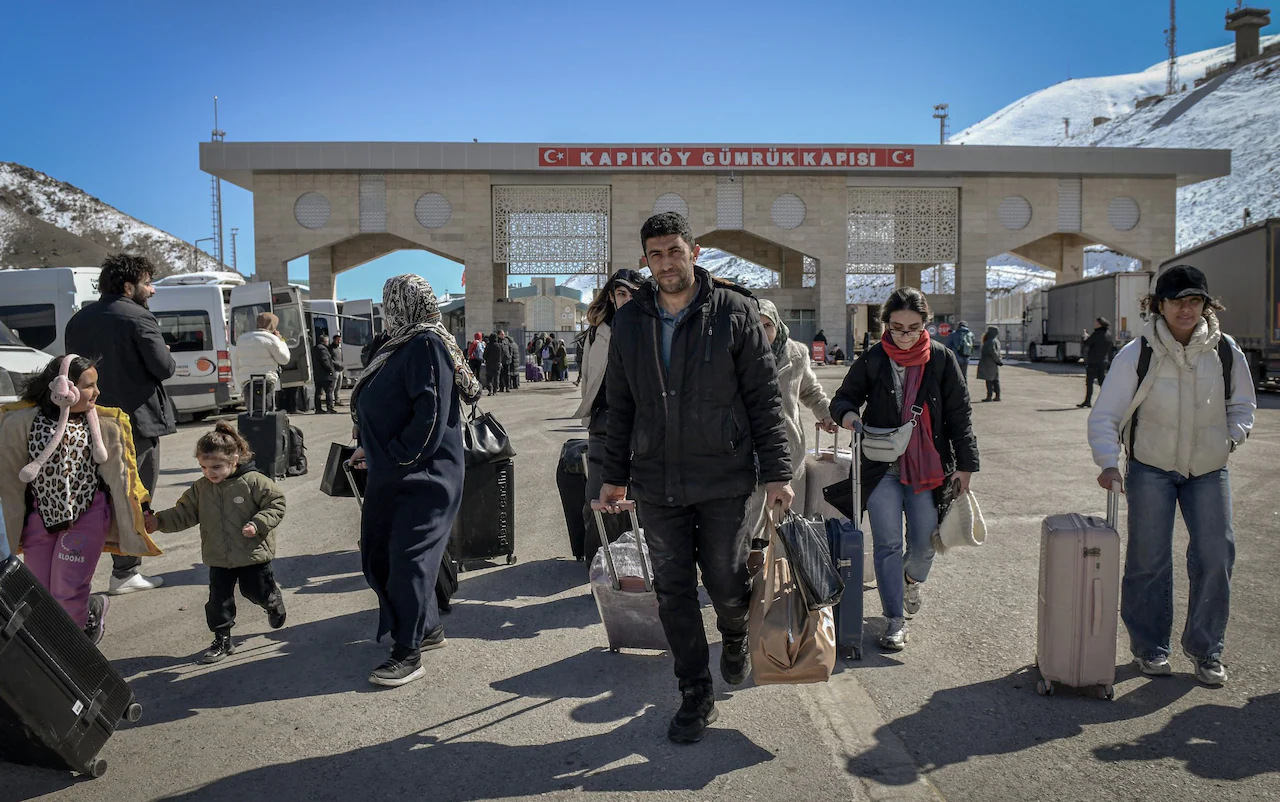
Britain is braced for a surge in Iranian asylum seekers in the wake of war breaking out in the Middle East.
Migration experts said Iranians fleeing the conflict, and an estimated 2.5 million displaced Afghans in Iran, could leave the country and fuel the migration crisis.
The Home Office has instructed caseworkers to continue processing asylum applications by Iranians “as normal”, despite the US-Israeli strikes and counter-attacks by the Iranian regime.
Officials have told them that there will be no pause in asylum decisions or interviews as “there is no regime change at present”. Home Office analysts are, however, “actively monitoring” the situation and will “escalate” if there are any significant developments.
It differs from Syria where the fall of Bashar al-Assad’s regime in December 2024 led to the suspension of asylum claims from the country.
Iranians seeking asylum in Britain in the coming months will, however, be among the first cohort to be subject to Home Secretary Shabana Mahmood’s introduction of temporary refugee status.
This means successful asylum seekers could be returned to Iran after 30 months if the Home Office deems it is safe.
Iran was the third highest nation for asylum claims last year, with 7,419 applications, behind Pakistan (10,638 ) and Eritrea (8,948 ). Nearly six in 10 Iranian asylum applications were granted.
Between 2015 and 2024, Iran accounted for more asylum seekers than any other nation at 62,000, ahead of even Afghanistan (47,000), according to an analysis by Oxford University’s Migration Observatory. Two-thirds of applications were granted at the initial stage.
Madeleine Sumption, the director of the Migration Observatory, said Britain was one of the main countries for Iranian asylum seekers, although most fleeing the immediate war were unlikely to come to the UK.
Many may stay in the region in the hope of returning to Iran, with neighbouring Turkey a more likely immediate destination.
“If there is another violent crackdown, then in theory one might expect to see more people leaving. Even if there is regime change, this can lead to periods of instability, new social divisions emerge, violence ensues,” she said.
“Most Iranians leaving would not come to the UK, although the UK is a major destination and Iran is one of our main countries of origin for asylum seekers.”

Amy Pope, the director general of the International Organisation for Migration, warned that military escalation would “force more families from their homes and hit civilians hard”.
“Millions are already displaced in the region. IOM is monitoring the situation and on standby to provide lifesaving assistance where feasible. De-escalation is a humanitarian necessity,” she said.
There are also concerns of a widening security risk from Tehran potentially activating
networks operating in Europe, while groups sympathetic to the Islamist regime could also launch independent actions.
In May last year, British police dismantled a seven-member terror cell with links to Iran. They were were charged with engaging in conduct likely to assist a foreign intelligence service following an investigation by counter-terror police.
The MCC Migration Research Institute warned that even if the armed conflict subsided, deteriorating economic and security conditions could prompt millions of Iranians and Afghans currently living in Iran to leave the country.
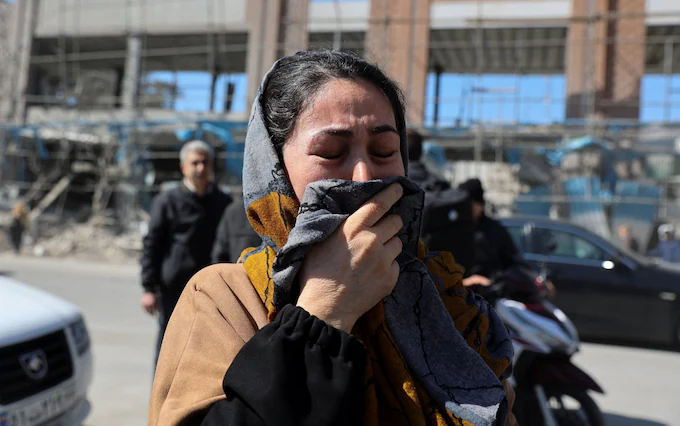
Last year, between 28 and 30 million Iranians were classified as economically vulnerable. Even before the war, the World Bank projected an additional 2.5m to 3 million Iranians could fall into poverty between 2025 and 2026.
A survey conducted in 2023 found that 93 per cent of Iranians had at some point considered emigrating.
“The situation is further complicated by the fact that Iran itself hosts large numbers of refugees,” said the institute. “If the conflict escalates, or the state’s security capacity becomes focused on maintaining internal order while economic pressure grows, Afghan refugees may also increasingly attempt to reach Europe.”
Asylum insiders also warned that other asylum seeking nationalities could claim to be Iranian in the hope of boosting their chances of securing refugee protection.
“You would now expect an influx of Iraqis and Afghans to change nationality to Iranian should it be considered unsafe to return to Iran,” said a source.
Afghanistan’s acceptance rate has dropped to 35 per cent in the last year after the Home Office deemed it was safe for failed asylum seekers to be returned. Iraqis’ asylum acceptance rate is even lower, at 25.7 per cent last year.
Britain is braced for a surge in Iranian asylum seekers in the wake of war breaking out in the Middle East.
Migration experts said Iranians fleeing the conflict, and an estimated 2.5 million displaced Afghans in Iran, could leave the country and fuel the migration crisis.
The Home Office has instructed caseworkers to continue processing asylum applications by Iranians “as normal”, despite the US-Israeli strikes and counter-attacks by the Iranian regime.
Officials have told them that there will be no pause in asylum decisions or interviews as “there is no regime change at present”. Home Office analysts are, however, “actively monitoring” the situation and will “escalate” if there are any significant developments.
It differs from Syria where the fall of Bashar al-Assad’s regime in December 2024 led to the suspension of asylum claims from the country.
Iranians seeking asylum in Britain in the coming months will, however, be among the first cohort to be subject to Home Secretary Shabana Mahmood’s introduction of temporary refugee status.
This means successful asylum seekers could be returned to Iran after 30 months if the Home Office deems it is safe.
Iran was the third highest nation for asylum claims last year, with 7,419 applications, behind Pakistan (10,638 ) and Eritrea (8,948 ). Nearly six in 10 Iranian asylum applications were granted.
Between 2015 and 2024, Iran accounted for more asylum seekers than any other nation at 62,000, ahead of even Afghanistan (47,000), according to an analysis by Oxford University’s Migration Observatory. Two-thirds of applications were granted at the initial stage.
Madeleine Sumption, the director of the Migration Observatory, said Britain was one of the main countries for Iranian asylum seekers, although most fleeing the immediate war were unlikely to come to the UK.
Many may stay in the region in the hope of returning to Iran, with neighbouring Turkey a more likely immediate destination.
“If there is another violent crackdown, then in theory one might expect to see more people leaving. Even if there is regime change, this can lead to periods of instability, new social divisions emerge, violence ensues,” she said.
“Most Iranians leaving would not come to the UK, although the UK is a major destination and Iran is one of our main countries of origin for asylum seekers.”
Amy Pope, the director general of the International Organisation for Migration, warned that military escalation would “force more families from their homes and hit civilians hard”.
“Millions are already displaced in the region. IOM is monitoring the situation and on standby to provide lifesaving assistance where feasible. De-escalation is a humanitarian necessity,” she said.
There are also concerns of a widening security risk from Tehran potentially activating
networks operating in Europe, while groups sympathetic to the Islamist regime could also launch independent actions.
In May last year, British police dismantled a seven-member terror cell with links to Iran. They were were charged with engaging in conduct likely to assist a foreign intelligence service following an investigation by counter-terror police.
The MCC Migration Research Institute warned that even if the armed conflict subsided, deteriorating economic and security conditions could prompt millions of Iranians and Afghans currently living in Iran to leave the country.
Last year, between 28 and 30 million Iranians were classified as economically vulnerable. Even before the war, the World Bank projected an additional 2.5m to 3 million Iranians could fall into poverty between 2025 and 2026.
A survey conducted in 2023 found that 93 per cent of Iranians had at some point considered emigrating.
“The situation is further complicated by the fact that Iran itself hosts large numbers of refugees,” said the institute. “If the conflict escalates, or the state’s security capacity becomes focused on maintaining internal order while economic pressure grows, Afghan refugees may also increasingly attempt to reach Europe.”
Asylum insiders also warned that other asylum seeking nationalities could claim to be Iranian in the hope of boosting their chances of securing refugee protection.
“You would now expect an influx of Iraqis and Afghans to change nationality to Iranian should it be considered unsafe to return to Iran,” said a source.
Afghanistan’s acceptance rate has dropped to 35 per cent in the last year after the Home Office deemed it was safe for failed asylum seekers to be returned. Iraqis’ asylum acceptance rate is even lower, at 25.7 per cent last year.


